

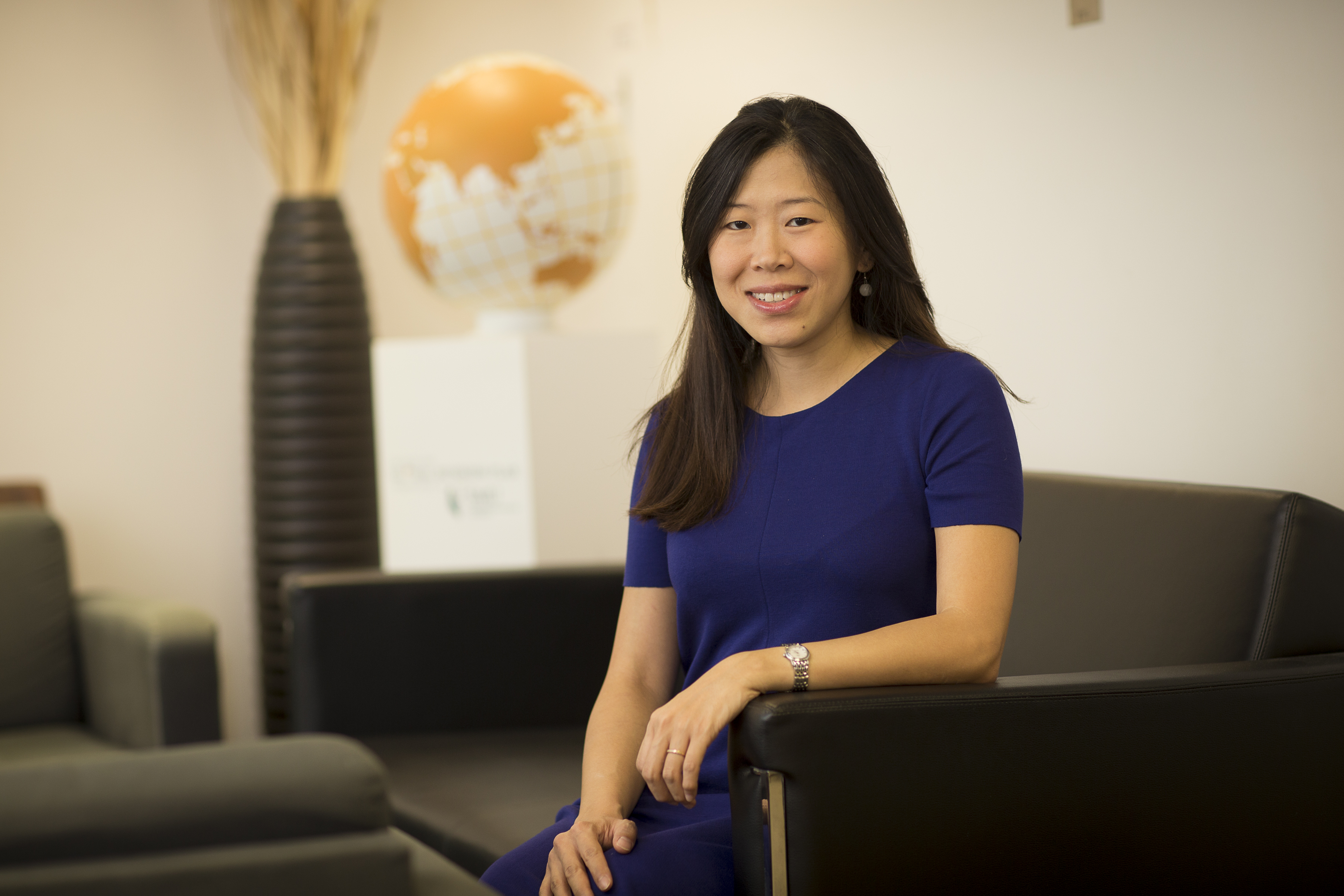
Students at SMU are assessed through live pitches, Q&A sessions, weekly reflections and essays – these evaluate their understanding of concepts and ability to spontaneously respond to questions. SMU Associate Professor of Marketing (Education) & Associate Provost (Undergraduate Education) Michelle Lee shared how she evaluates students in her sustainable marketing class through in-class essays and opined that universities have to be more creative in thinking up less straightforward ways to test students, such as problem scenarios where AI will not be able to tackle or answer. She said SMU has implemented new assessment design guidelines for faculty, one criterion is designing assessments where AI offers no meaningful advantage. In SMU’s writing and reasoning course, instructors assign higher-order tasks where students are graded on their ability to evaluate AI outputs. Students first use AI to generate summaries of readings, which they then evaluate for accuracy, bias and hallucinations by comparing the AI-generated material with published sources. Designing such tasks takes time and involves rigorous testing before they are used but this is necessary and useful at a time when students have to learn with AI. “We have to change how we are teaching and testing students to make sure they are learning,” she said. SMU second year School of Economics student, Xavier Goh, said, “Shifting from written final exams to live presentations changes how we use AI rather than reduce our reliance on it.” While AI serves as an interactive tutor when he is preparing for traditional exams, the technology cannot help him during in-person Q&A sessions.
